British Army
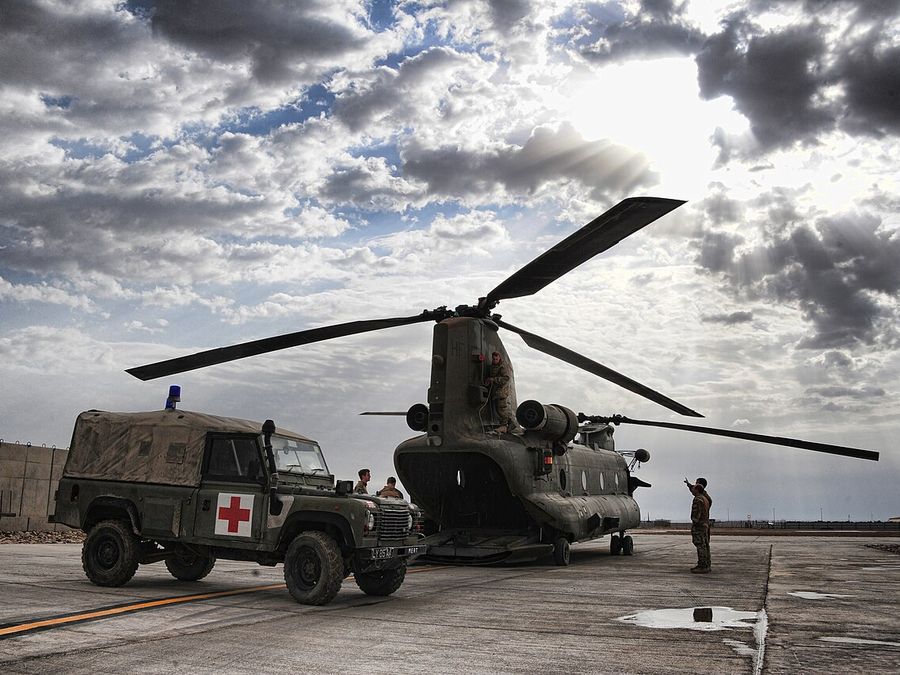
Combat medics, field ambulances and deployed hospitals carry casualties from the point of injury through the first links of the chain.
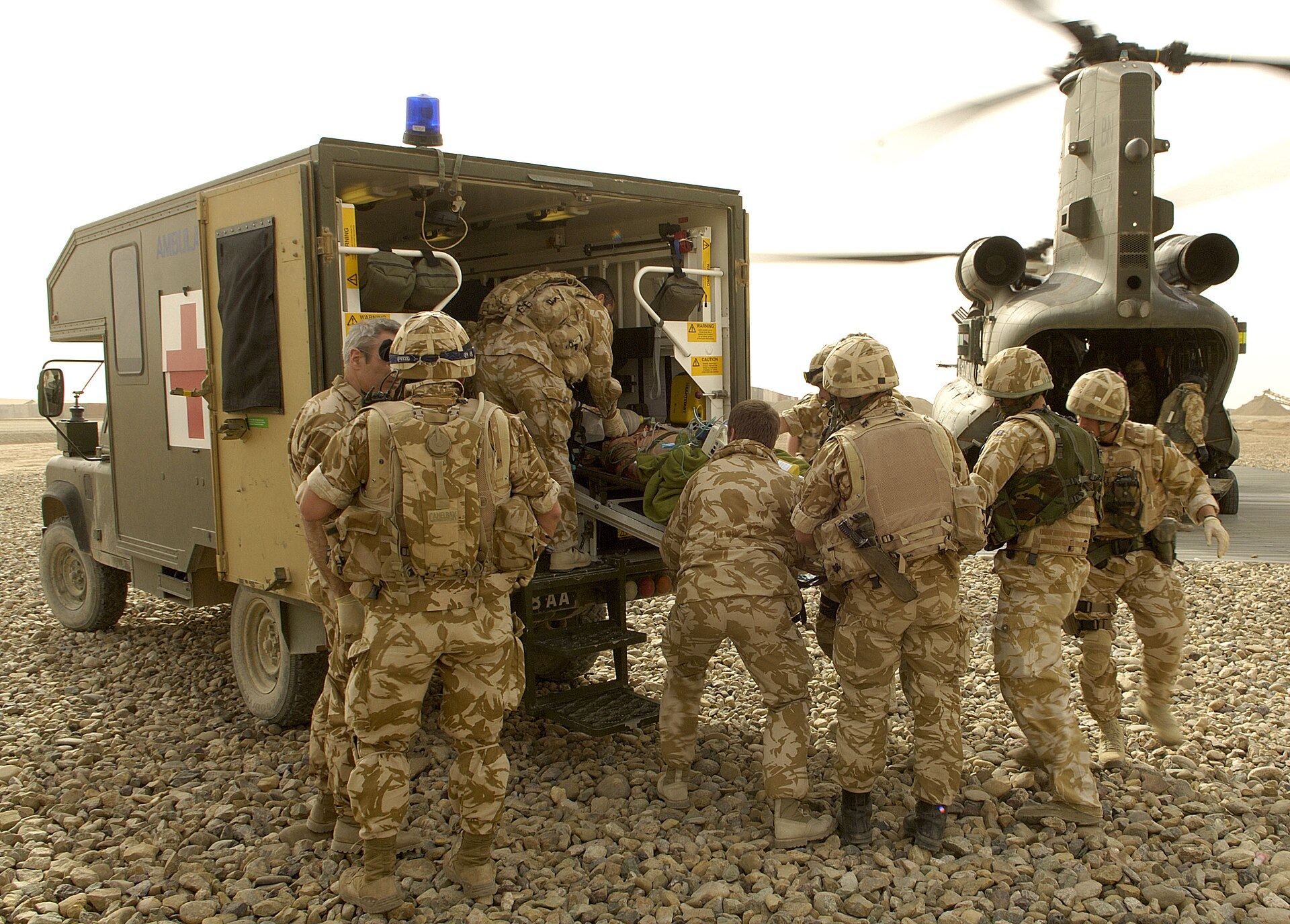
MERT recovering a casualty, Helmand, 2007. POA(Phot) Sean Clee, © Crown copyright, OGL v1.0
Professional wargaming · Medical support
For two centuries, militaries have tested their plans against a thinking opponent before committing to them. Wargame Nexus brings that discipline to the hardest problem in conflict: keeping the wounded alive.
The problem
NATO's 10-1-2 timeline sets the standard: ten minutes to stop catastrophic bleeding, one hour to advanced resuscitation, two hours to surgery. Every link in the chain of care has to hold.
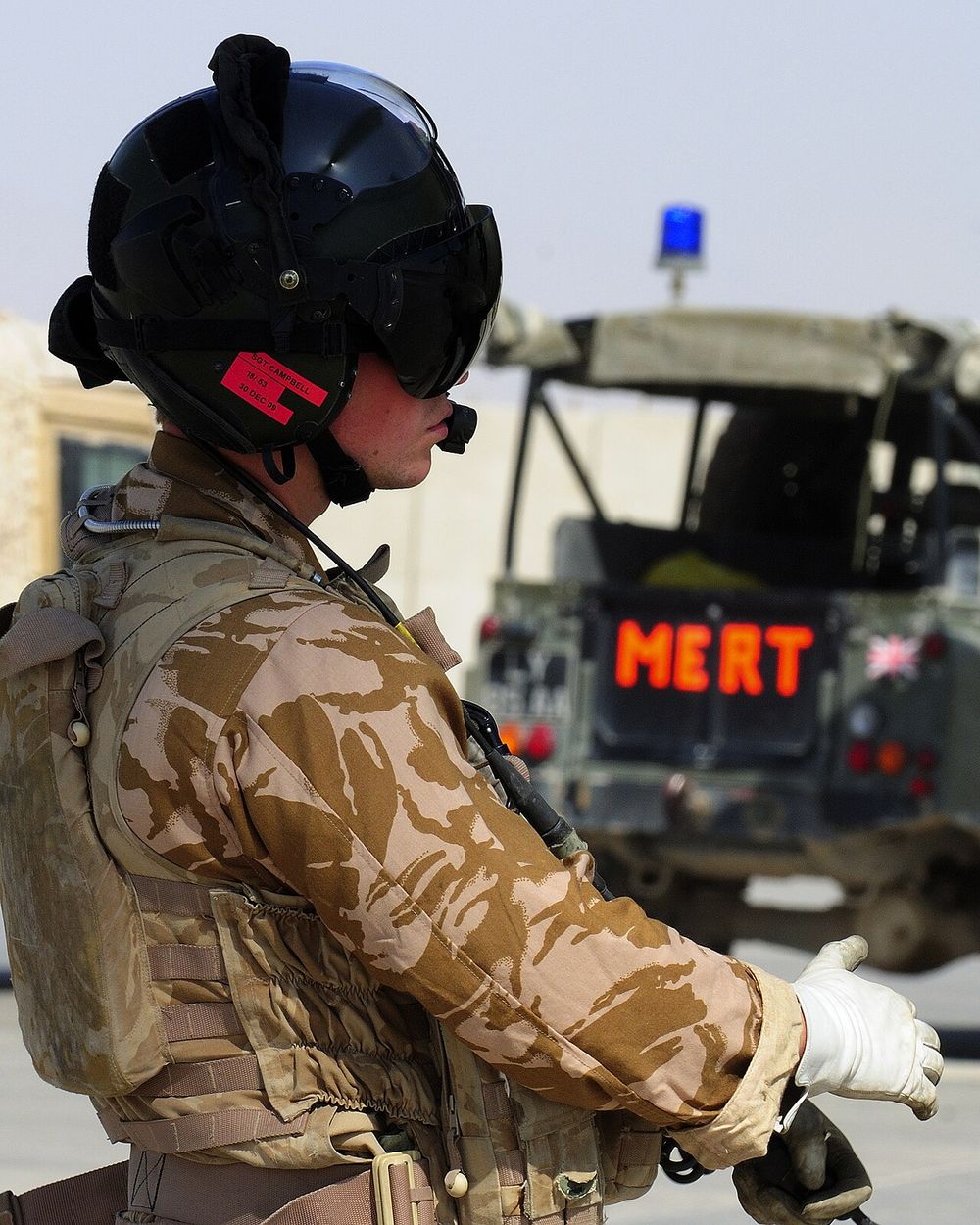
In Afghanistan, the UK's Medical Emergency Response Team flew consultant-led care forward in RAF Chinooks to reach casualties faster. Real operations still put the chain under strain: limited helicopters, contested routes, overwhelmed facilities and incomplete information. Wargaming lets planners and clinicians find the weak points before real casualties do.
Land · Sea · Air
Getting a casualty from the point of injury to surgery depends on all three services working as one. That is the problem NEXUS was created to explore.
Combat medics, field ambulances and deployed hospitals carry casualties from the point of injury through the first links of the chain.
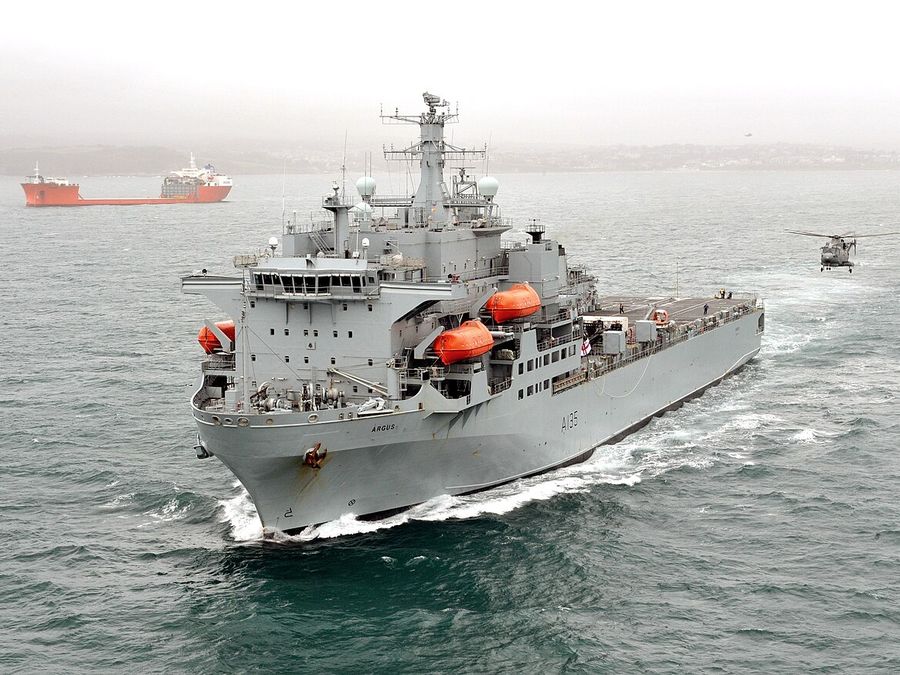
RFA Argus carries a Primary Casualty Receiving Facility, a hospital at sea for operations far from land-based care.
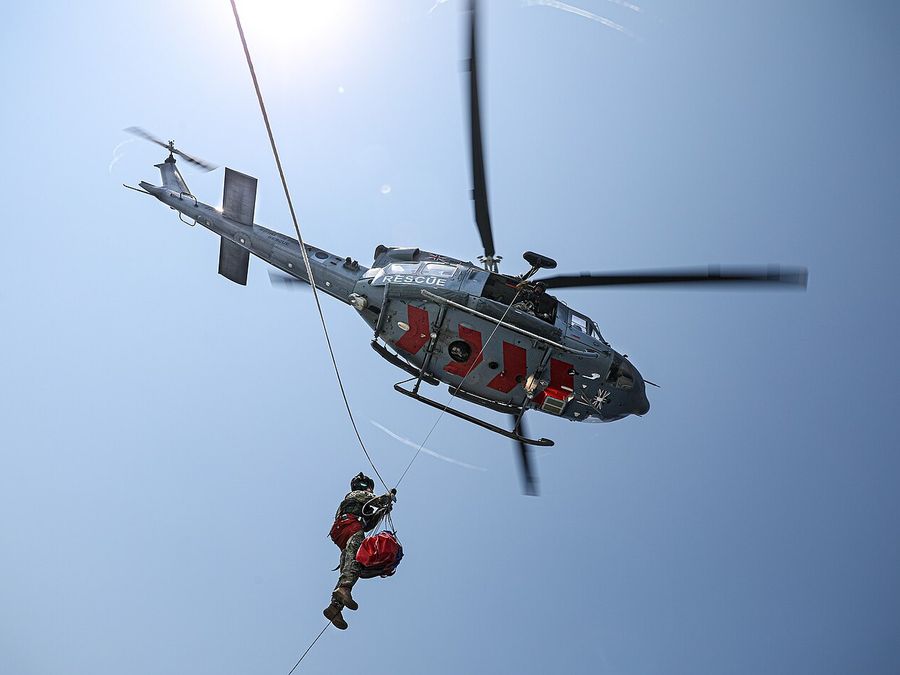
From MERT Chinooks to search and rescue and strategic aeromedical flights, the RAF moves casualties fast and far.
Start here
How militaries use games as a research method, and the analytical rigour that separates evidence from entertainment.
Read more 02 / The gameA medical-support and casualty-evacuation wargame created by a professional military wargamer. A boxed edition is in development.
See the game 03 / Join usJoin a playtest, ask about using NEXUS in training, or register interest in the boxed edition.
Get in touch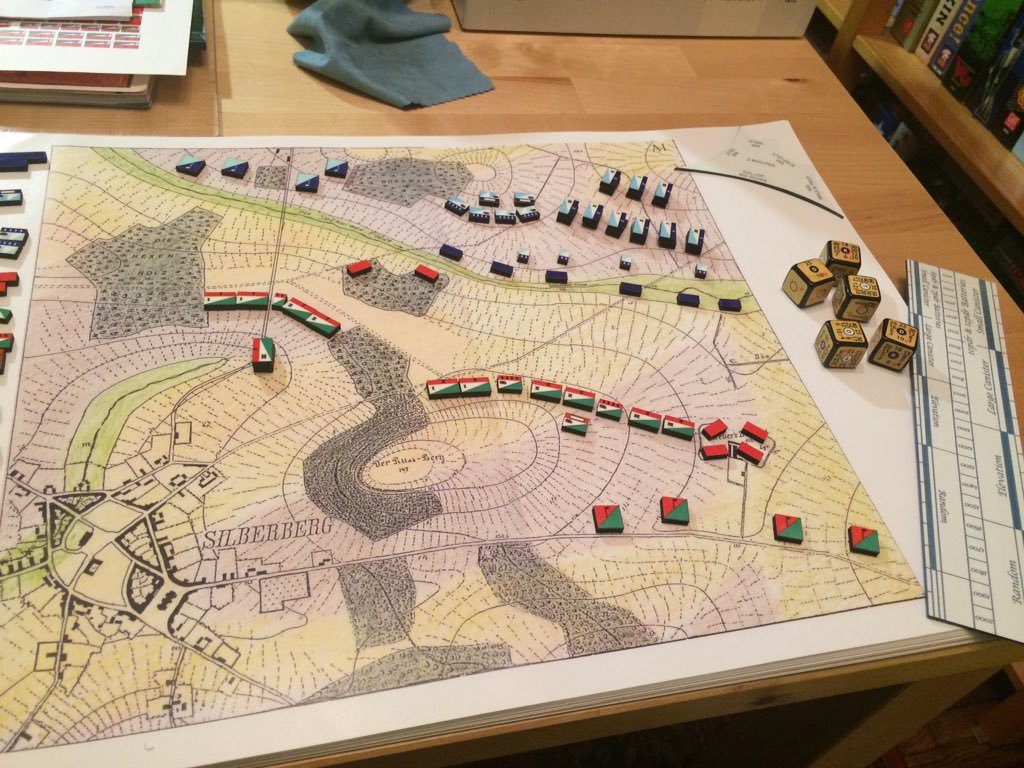
A proven British method
In 1942, in a room beneath Western Approaches Command in Liverpool, a team of naval officers and Wrens used a tabletop wargame to beat the U-boats. Western Approaches Tactical Unit, led by Captain Gilbert Roberts RN
Their games produced new convoy-escort tactics, such as “Raspberry”, which were taught to escort commanders and used in the Battle of the Atlantic. It remains one of the clearest examples of wargaming changing the outcome of a campaign.
Latest
Our website is live. Follow NEXUS as it moves from prototype to a boxed edition. All news →
Follow along
Our latest posts, updated automatically.
Stay informed
Playtest dates, development news and first notice when the boxed edition is available. No spam, unsubscribe any time.